
What is a Heat Pump and Should I Get One?
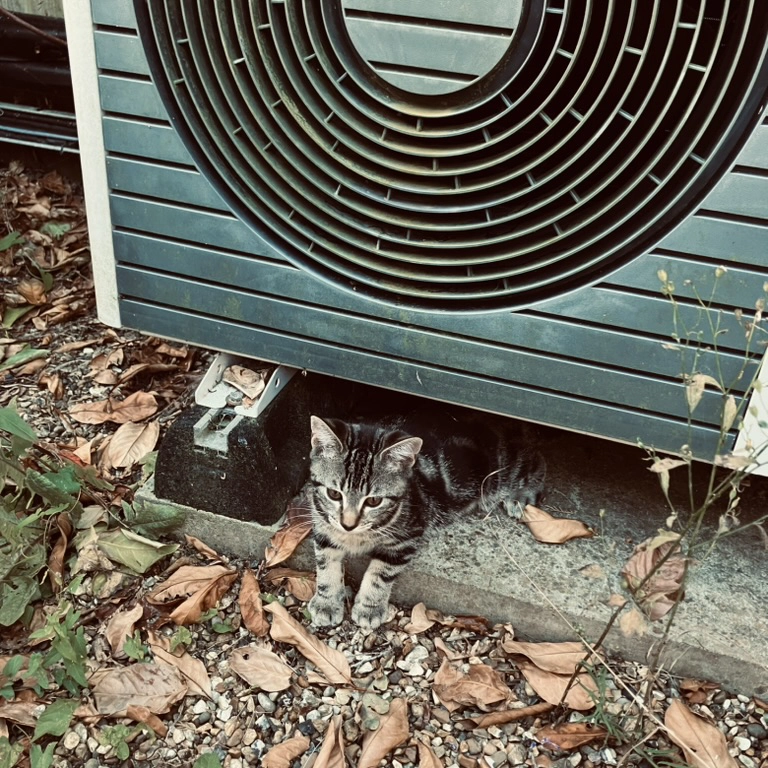
In the most basic terms, a heat pump works a bit like an air conditioner in reverse – taking latent heat from the air and translating it into warmth flowing through radiators and hot water in the home.
The magic part, and the one that makes heat pumps a source of ‘renewable’ heating, is that for every unit of electricity they use, they generate 3 to 4 units of heat.
In Norway and Finland, more than half of households have a heat pump. In the UK much fewer – even if the number of installations is growing. But given their popularity in the Nordics, the first thing we can put to bed is the idea that heat pumps don’t work well in colder climates.
Three Types of Heat Pump
There are three kinds of heat pump: air source, air-to-air and ground source:
– Air-to-water heat pumps (also known as air source heat pumps or ASHP) are the most common type, taking heat from the air that is blown across the heat exchanger to warm your hot water and radiator system. This is the type we will be discussing below.
– Ground source heat pumps take heat from the ground using a water-antifreeze mixture pushed through underground pipes to a heat exchanger. Installation involves going deep underground, so a type you very rarely see in urban settings.
– Air-to-air heat pumps – these work slightly differently as they are not plumbed into a radiator system, instead using fans to distribute the heat in the home. Similar to air conditioning, but air-to-air heat pumps have the potential to cool as well as warm the home – Low Carbon Hub has a good article explaining the benefits of air-to-air systems and how they compare to air conditioning, including stories from people who’ve installed them.
The government’s Boiler Upgrade Scheme provides £7,500 in funding for air-to-water and ground source, or £2,500 for air-to-air heat pumps – find out more here.
Other Considerations: Radiators, Insulation
Heat pumps work with your existing pipework, but at a lower flow temperature. This means that the heating needs to run for longer so you can keep the house at a consistent temperature. To use a heat pump you need good heating controls, and you may need to install larger radiators.
To achieve the best results with a heat pump, it’s also important to ensure that your house doesn’t lose heat unnecessarily. Insulating your loft is the easiest place to start – both the cheapest and least disruptive way to slow up to 25% of your home’s heat loss.
Wall insulation and underfloor insulation are more costly and intrusive – but together can slow up to 50% of your home’s’ heat loss. If you have cavity walls, that may be an easier and less disruptive option. And ensuring you have well insulated or even double-glazed windows and doors account for the remainder.
Considering ventilation alongside insulation is important – though potentially less necessary if you use more natural, breathable insulation materials.
Where to start? It’s all a question of your budget, but Architect Harry Paticas, who retrofitted his own home to passivhaus standard, said at one of our events that the priority should be:
– Windows if they are single glazed, leaky or broken
– Airtightness + ventilation
– Loft insulation
Solar and Batteries
If you’re looking to switch to a heat pump, you’re going to be using more electricity. So if you can, it may be worth looking at solar panels (on east-west roofs may fit well with peak heating times – see point 2 in our top 10 checklist for homeowners considering solar).
It’s also worth looking into energy companies that have tariffs specifically for heat pumps, for example with lower electricity charges outside peak times.
Some heat pump owners also opt for a battery, and a tariff that allows them to charge cheaply overnight, then warm their home via their battery’s stored energy at peak times.
Listen to Anna and Shelagh’s retrofit journey – including insulation and the experience of switching to a heat pump – on a late winter’s day, their smart meter read zero because their heating was running off solar and their home is well insulated. At this point in time, their running costs are zero and they generate no daily carbon emissions from their heating.
Support from Selce
If you’re considering a heat pump, Selce can help you in the following ways:
1. Whole House Plan
A whole house plan will give you the best path towards installing a heat pump, detailing necessary fabric improvements, highlighting other retrofit opportunities and finally giving you an indication of the size of heat pump your house might require.
2.Heat Pump Survey
In partnership with Elite Renewables, Selce will assess the feasibility of installing a heat pump in your home. Selce will conduct a comprehensive room-by-room heat loss assessment by identifying and measuring all the rooms, windows and radiators.