
What are the Best Options for Home Insulation to Avoid Condensation, Overheating in Summer?
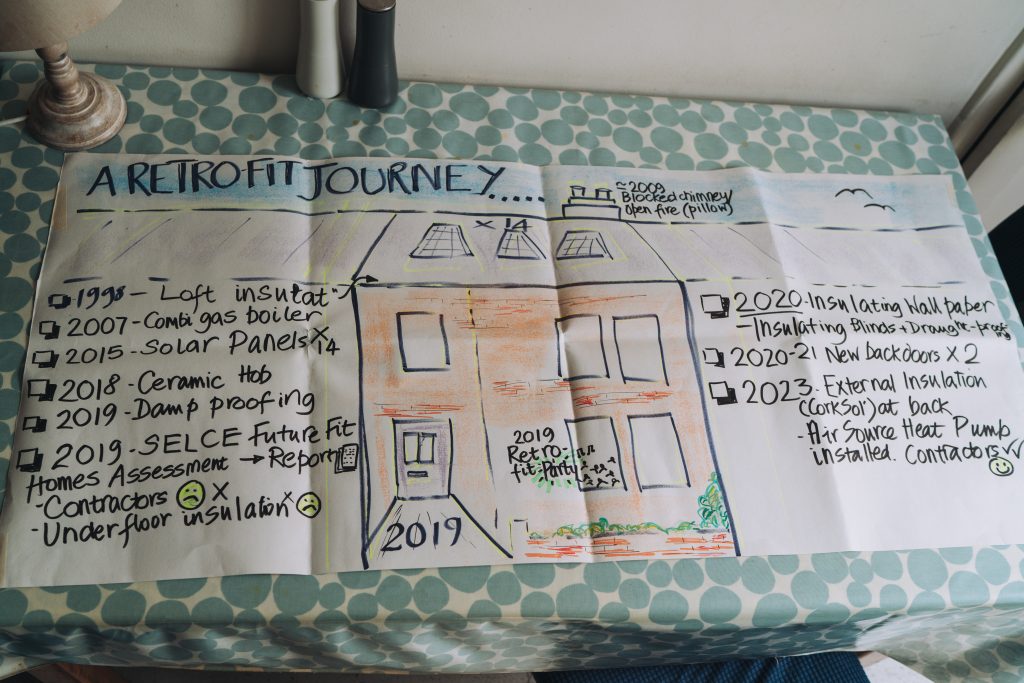
Making your home more energy efficient and fit for the future can feel like a daunting task: our retrofit services team is here to help guide homeowners through the process. This article is part of a series with tips and advice on where to start.
When it comes to insulation and wall finishes homeowners are spoilt for choice.
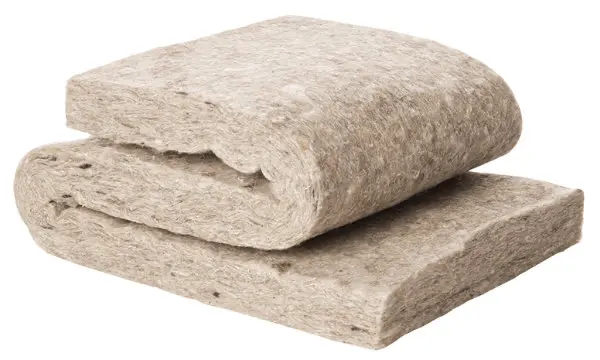
Depending on your project priorities and budget, choices range from polystyrene boards, wood fibre, rockwool, hemp, recycled polyester, sisal and sheep’s wool, each with their advantages and disadvantages.
Regardless of which part of your house you choose to insulate – loft, floor, internal or external walls – the kind of material you and your contractor install will have an impact on the whole home.
Vapour Barrier Versus Breathable
When retrofitting a building made of porous materials, such as brick, it’s important to consider how adding insulation – and accompanying vapour barrier and ventilation – might affect the breathability of your building.
Low cost options such as foamboard are generally less breathable – with a vapour barrier to stop moisture getting into the existing structure.
Using this type of material will then add another (often hidden) cost: installing ventilation alongside it. Failing to introduce enough ventilation will result in the build-up of condensation, damp and mould inside, making for an unhealthy indoor environment.
Whereas, using natural insulation like wood fibre or hemp with breathable paints and finishes adds no such barrier to letting the building ‘breathe’.
In other words, these materials let the home absorb water vapour when it’s humid and still release it safely when it’s drier. Moisture is not trapped – but evaporates instead. These systems also help add thermal mass to a property, so can reduce overheating too.
It’s important to note that nature-based materials are more expensive than vapour closed systems, and fewer contractors know how to work with them.
Overheating – How Insulation Can Affect Your Home in Summer
The type of insulation you use can also affect how quickly your house warms up in Summer.
Materials such as brick and stone have a high thermal mass, absorbing heat and releasing it slowly over time. This means when we add insulation we are impacting on this process. Natural forms of insulation, particularly wood fibre, can replicate this behaviour as they are quite dense, particularly when combined with a lime plaster.
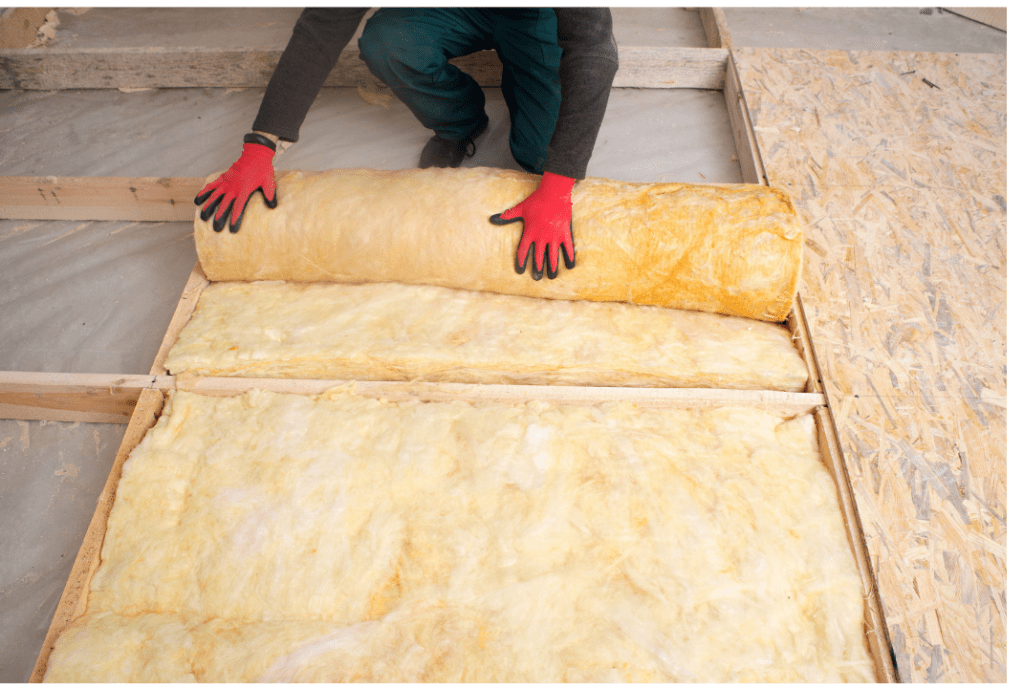
Meanwhile, plastic insulation boards and particularly mineral wool can increase overheating risk as they have a negative impact on thermal mass in the building.
We’ve compiled a list of the different insulation materials available below, grouped based on their overall environmental impact and breathability:
Low Environmental Impact (Natural/Renewable):
Hemp, flax, and wood fibre insulation
Sheep’s wool
Cork
Cellulose (recycled paper)
Straw bales
Moderate Environmental Impact:
Mineral wool (also known as rock wool, glass wool)
Expanded clay
Perlite
Higher Environmental Impact (Petroleum-based or energy-intensive):
Expanded polystyrene (EPS)
Extruded polystyrene (XPS)
Polyurethane foam
Phenolic foam
The retrofit team at Selce offers a Whole House Plan to help you choose the right insulation materials for your home. The Plan is is a customised survey, explaining changes you can make to green your home, and in what order to make the most of your money.
If you are worried about overheating in particular, you can also commission our overheating survey to give you an idea of how your house is likely to perform in a hot summer and what changes you can make to keep it cool – get in touch to find out more.
Top photo from Anna & Shelagh’s Retrofit Journey